
Test Your Batteries Before They Test You: A Year-End Maintenance Guide for 2026.
As 2026 winds down, most teams are closing out budgets, scheduling planned outages, and getting ready for winter weather. Year-end battery maintenance deserves a place on that list. It’s the right time to confirm that the batteries behind your critical operations will perform when you need them.
That applies whether your batteries back up a UPS in a data center, keep a remote cell site on the air, trip breakers in a substation, store energy for the grid, or move product across a warehouse floor. The principle is the same everywhere: a battery you have not tested is a battery you are trusting on faith.
Batteries degrade quietly. Cycling, heat, loose connections, and age all erode capacity long before a problem shows up as an alarm or a failed transfer. A structured year-end review finds those problems while you can still fix them on your schedule instead of during an outage.
What’s Different Heading Into 2027

Three changes make this year’s review worth more attention than a routine check.
- Key standards have been updated. In December 2025, IEEE approved a revision of IEEE 1188, the recommended practice for maintaining, testing, and replacing valve-regulated lead-acid (VRLA) batteries in stationary applications. It supersedes the 2005 edition that many maintenance programs were built around. If your VRLA procedures still reference IEEE 1188-2005, review them against the current version. For battery energy storage systems, the 2026 edition of NFPA 855 makes hazard mitigation analysis the default and adds an annual review of the emergency operations plan with refresher training. Adoption varies by state and city, so confirm with your authority having jurisdiction (AHJ) which edition governs your site. For utilities and generator owners, NERC PRC-005-6 remains the enforced standard for station battery maintenance intervals.
- Many sites have added load. Server racks, network equipment, and automation get added year after year, often without anyone revisiting the battery system that supports them. If your load has grown since the system was sized, your runtime assumption may no longer hold.
- Battery fleets are more mixed. It is now common to find lithium-ion running alongside flooded lead-acid, VRLA, and nickel-cadmium at the same organization. Each chemistry has different maintenance needs. Lithium systems lean heavily on their battery management system (BMS), so treat BMS alarms and logs as part of your maintenance record, not a replacement for it.
Your Year-End Checklist by Application

Data Centers and UPS
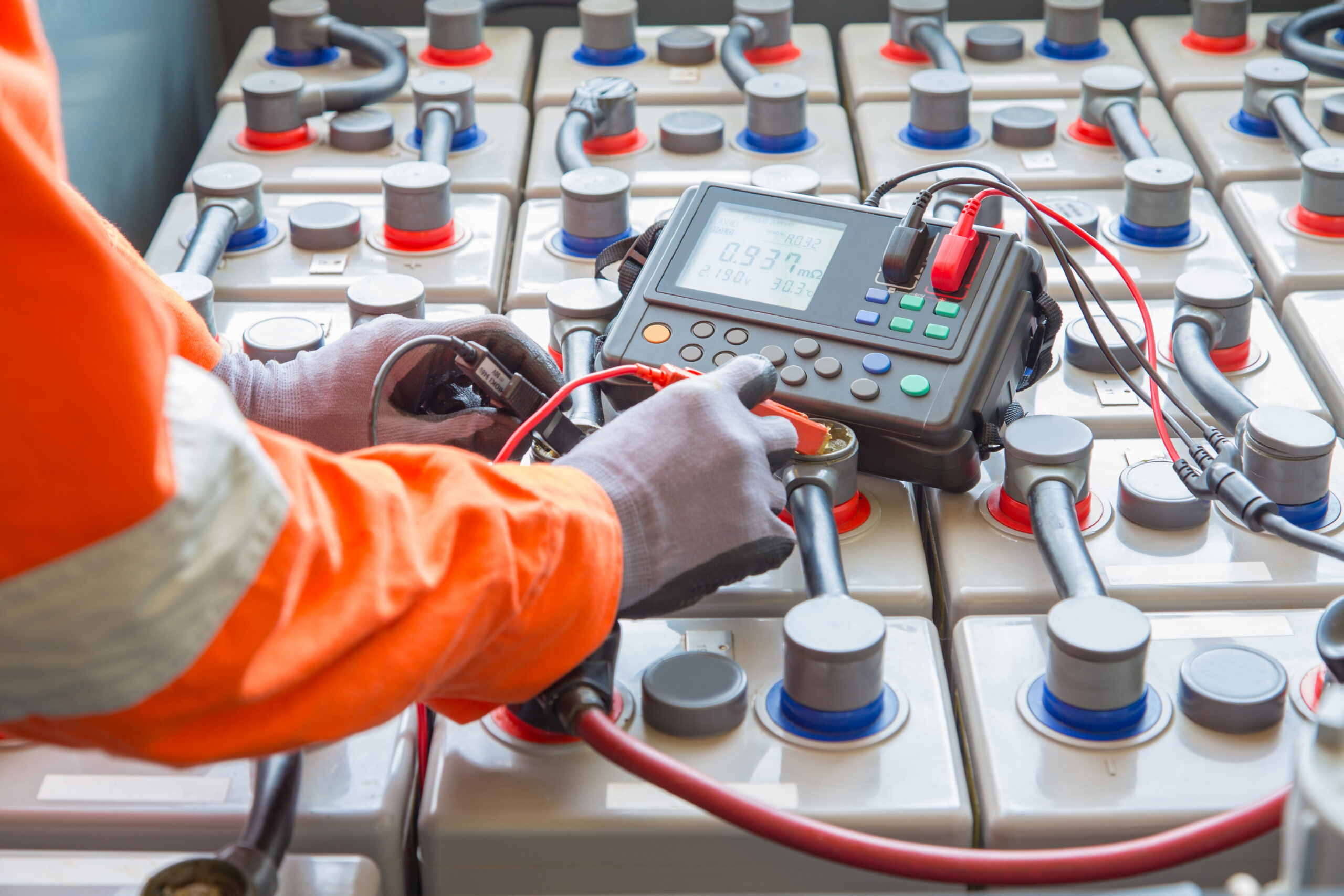
 Compare internal ohmic readings to baseline and investigate cells that have drifted.
Check intercell connection resistance and retorque to the manufacturer’s spec, as needed.
If load has grown, run a capacity test to confirm runtime still matches your design target.
Verify battery room cooling. Heat is one of the fastest ways to shorten lead-acid life.
Telecommunications
 Get to remote and unattended sites before winter makes access difficult.
Confirm rectifier settings and temperature compensation are correct.
Inspect cabinets for water intrusion, pests, and corrosion.
Utilities, Substations,
and Industrial Facilities
 Align intervals with NERC PRC-005-6 where it applies, plus the IEEE practice for your chemistry (IEEE 450 for vented lead-acid, IEEE 1188 for VRLA, IEEE 1106 for nickel-cadmium).
Check specific gravity and electrolyte levels on flooded cells.
Inspect spill containment, ventilation, and eyewash stations.
Battery Energy Storage Systems (BESS)
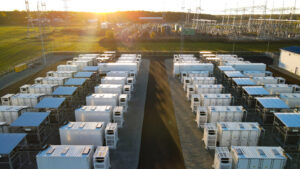 Review the year’s BMS logs for cell imbalance, thermal events, and recurring alarms.
Confirm gas detection and ventilation are working and calibrated.
Update your emergency operations plan and schedule responder training.
Motive Power
 Water flooded batteries after a full charge, not before.
Take specific gravity readings across cells to find weak ones, and equalize per the manufacturer.
Inspect cables, connectors, and trays for corrosion and damage.
Plan for cold. Forklifts in freezers and unheated warehouses have less usable capacity in winter.
Tools That Make the Work Faster
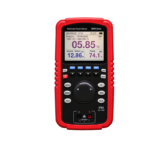
SBS-6500 Internal Resistance Tester
Measures internal ohmic values, voltage, and current on lead-acid and nickel-cadmium batteries. |
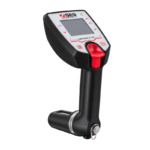
SBS-3510 Digital Hydrometer
Measures specific gravity and temperature in lead-acid and nickel-cadmium batteries, with wireless data transfer for reporting. |
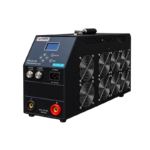
SBS-2415S Battery Capacity Tester
Load tests that show what your battery can actually deliver. |
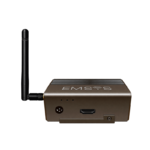
EMSYS Battery Monitoring System
Continuous battery monitoring that identifies problems, tracks historical performance and automatically generates maintenance reports.
|
If you would rather not buy equipment for a once-a-year test, ask about rental test equipment. Our field service team also performs preventative maintenance, IEEE and NERC compliance testing, and end-of-life battery recycling.
Best Practices for 2027
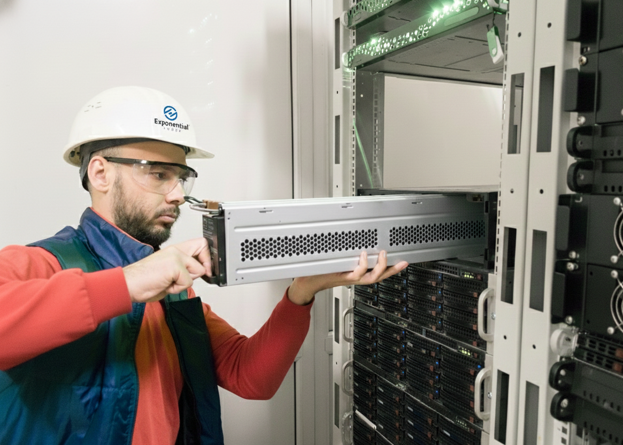
- Set the schedule now. Book quarterly, semi-annual, and annual tasks on the calendar based on the applicable standard and the manufacturer’s manual.
- Test against a baseline. A reading means little without a commissioning or first-year value to compare against.
- Document everything. Records support compliance audits and warranty claims, and they show trends before failures.
- Budget for replacements before they become emergencies. Use this year’s trend data to plan 2027 replacements while lead times work in your favor.
Start 2027 Ready
 A few hours of testing now is far cheaper than an unplanned outage later. Whether you need a full maintenance program, a one-time capacity test, or the right equipment to do it yourself, we can help.
Request a quote or call 1-800-554-2243. For 24/7 emergency service, call 866-793-4300.