

Walk into almost any warehouse right now and the battery conversation has gotten loud. Lithium is either sold as the obvious future or treated like an expensive fire waiting to happen. Both versions are wrong, and both cost operations real money, because a fleet that buys into the hype overpays for capability it never uses, and a fleet that buys into the fear keeps running a power setup that’s quietly bleeding labor hours.
Here’s the thing our Exponential Power team has learned after years of doing this across every chemistry: the right answer almost never starts with the battery. It starts with some simple questions: What’s the job? How many shifts, how much idle time, what does your charging window actually look like, and who’s available to maintain it?
Once you answer that honestly, most of the “lithium versus lead-acid” debate sorts itself out. Let’s walk through the questions people are actually typing into Google and asking us on the phone to help try and “bust the lithium myth” a little bit.

Are lithium forklift batteries a fire hazard?
They can be, if you ignore the rules. They’re also not the ticking bomb some people imagine. The honest version sits in the middle. OSHA and UL both point to the same culprits behind lithium incidents: overcharging, physical damage, using the wrong charger, and temperature extremes. Get those wrong and you risk thermal runaway, which is a fast, hard-to-stop fire. Get them right with a quality battery, a matched charger, and trained operators, and you’ve got a power source running safely in thousands of facilities today.
Aren’t all lithium batteries basically the same?
No, and this is one of the most expensive assumptions a buyer can make. “Lithium-ion” is an umbrella term, not a product. OSHA itself notes several cathode chemistries in play, including NMC, NCA, and LFP. In material handling, LFP (lithium iron phosphate) has become popular largely because it’s more thermally stable than the chemistries you’ll find in a laptop or an EV.
So when someone makes a flat statement about “lithium safety” or “lithium cost,” the right move is to slow down and ask: which chemistry, which pack design, whose battery management system, and matched to which truck and charger? Those details decide how the battery behaves on your floor far more than the word “lithium” ever will.
Do I need a special battery room for lithium?
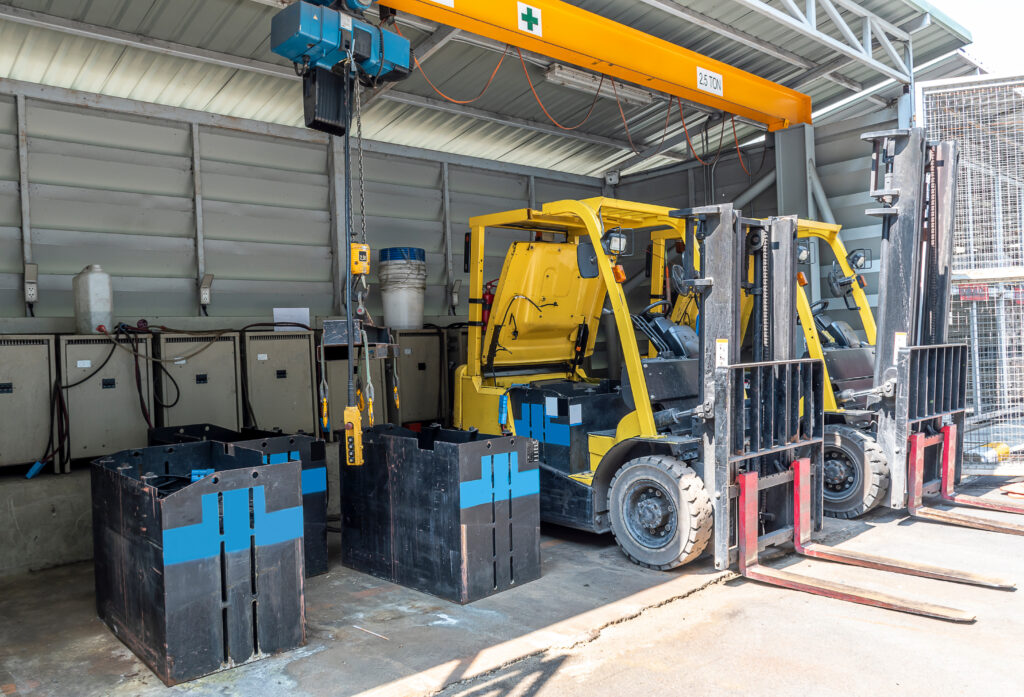
Usually not a full lead-acid-style battery room, but don’t read that as “no site work required.” This is where a lot of rollouts go sideways. OSHA treats on-truck charging areas, where you’re not removing batteries or handling electrolyte, differently from full battery service rooms, so you often skip the watering stations, eyewash, and heavy ventilation. What you can’t skip is the electrical reality. High-power lithium chargers are frequently three-phase and often 480V, which can mean a load study, phased upgrades, or transformer work before anything plugs in. Lithium can absolutely simplify your floor. It just won’t do it for free if your building isn’t ready.
Can I drop a lithium battery into my current forklift and charger?
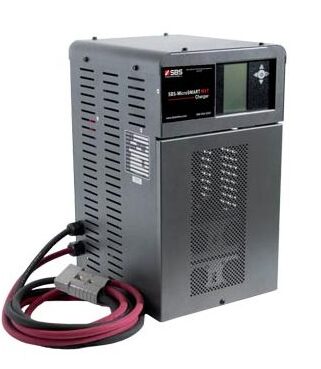 Often, no. The battery is only one piece of a system that includes the truck and, critically, the charger. UL is direct about charging large lithium batteries according to the manufacturer’s instructions with a charger built for that specific battery. A lead-acid charger is not a lithium charger, and mismatched charging is one of the fastest ways to create the safety problem everyone’s worried about. Charger compatibility matters across every chemistry, not just lithium, which is why we treat the battery, charger, and truck as one decision rather than three.
Is lithium just too expensive?

Higher to buy, yes. More expensive to own, not necessarily, and that’s the distinction that gets lost. Sticker price is not fleet cost. In multi-shift operations, opportunity-charging setups, and automated workflows that need predictable top-ups, lithium tends to win back its premium through saved labor, less downtime, fewer or zero battery changes, reclaimed floor space, and a longer service life. Once you fold in watering, equalizing, preventive maintenance, and replacement timing, the “cheaper” battery often isn’t. The only number that matters is total cost of ownership under your actual duty cycle, not the figure on the first quote.
So, is lead-acid obsolete?
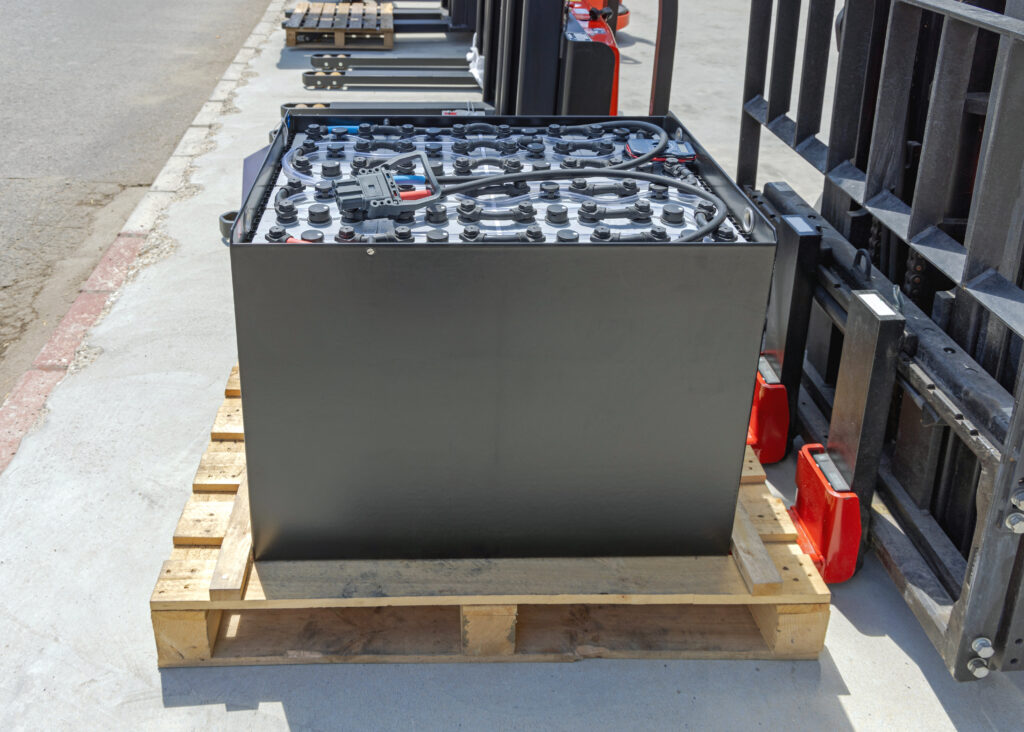 Not even close, and anyone telling you otherwise is selling something. For plenty of single-shift fleets, especially where the battery room already exists, the maintenance habits are solid, and capital is tight, lead-acid is still the smarter buy. The category has also quietly modernized. Advanced lead options like TPPL and maintenance-free AGM or gel systems have changed what “lead-acid” even means. The real choice was never old versus new. It’s which architecture matches the work.
Does lithium work in cold storage?
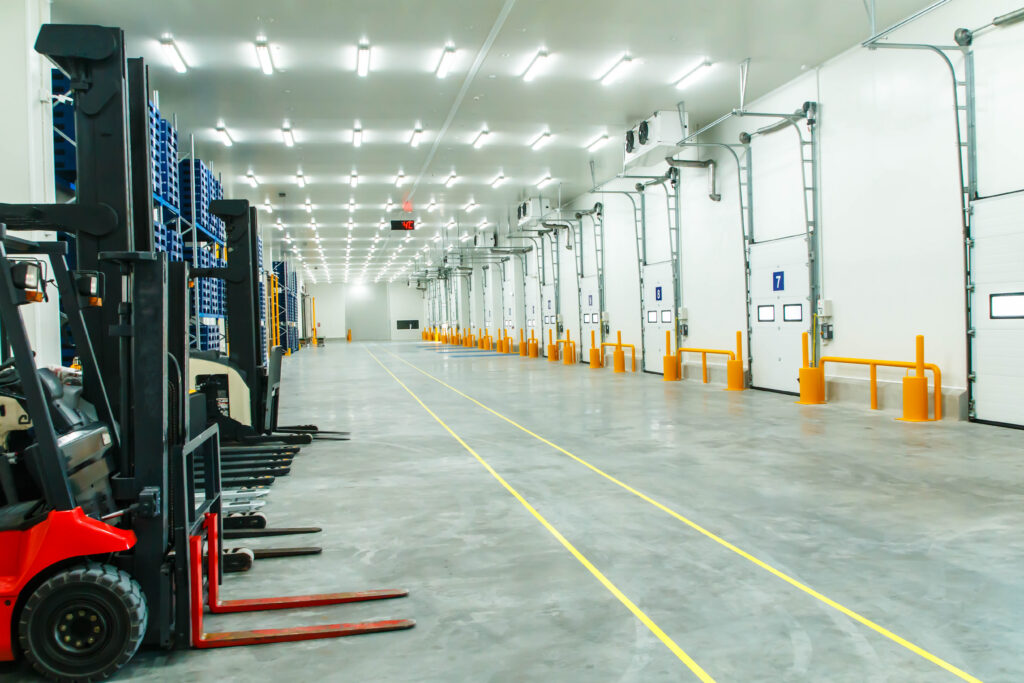
Yes, when it’s designed for it. The old assumption that lithium can’t handle freezers doesn’t hold up. Many lithium systems run in cold operations today, often with heated packs and cold-aware charging strategies, and lithium tends to hold voltage and capacity better than lead-acid as temperatures drop. The catch is in the details, because charging a lithium battery below freezing without the right protections can damage it. So cold storage is a legitimate lithium use case. It just demands proper sizing, the right pack, and a charging plan built for the environment.
Does “maintenance-free” mean service-free?
 No, and this is the myth that bites people last. Lose the watering and equalizing and you’ve still got battery-specific chargers, operator training, inspection routines, diagnostics, emergency procedures, and end-of-life handling to manage. OSHA expects employers running lithium to follow manufacturer guidance for storage, charging, and maintenance, and to fold lithium scenarios into their emergency planning. Reliable motive power is a lifecycle, not a purchase.
Where Exponential Power fits
 Notice what’s missing from every answer above: a verdict. That’s deliberate. We work across flooded and advanced lead-acid, maintenance-free systems, and lithium, plus the chargers, handling equipment, diagnostics, maintenance, repair, rentals, recycling, and training that surround them.
Because we’re not married to one chemistry, we don’t have to bend your operation to fit a product. We can match the power system to your shifts, your building, your labor model, and your budget, then stand behind it for its whole life. The industry doesn’t need more battery hype. It needs better battery decisions, and those always start with the truth about your operation.
Ready to make a better one? Let’s talk. Tell us how your operation actually runs, your shifts, your charging windows, your cold rooms, your budget, and we’ll help you land on the power system that fits, then stand behind it for the life of the fleet. No chemistry agenda, just the right answer for your floor. Reach out to the Exponential Power team to start the conversation.