
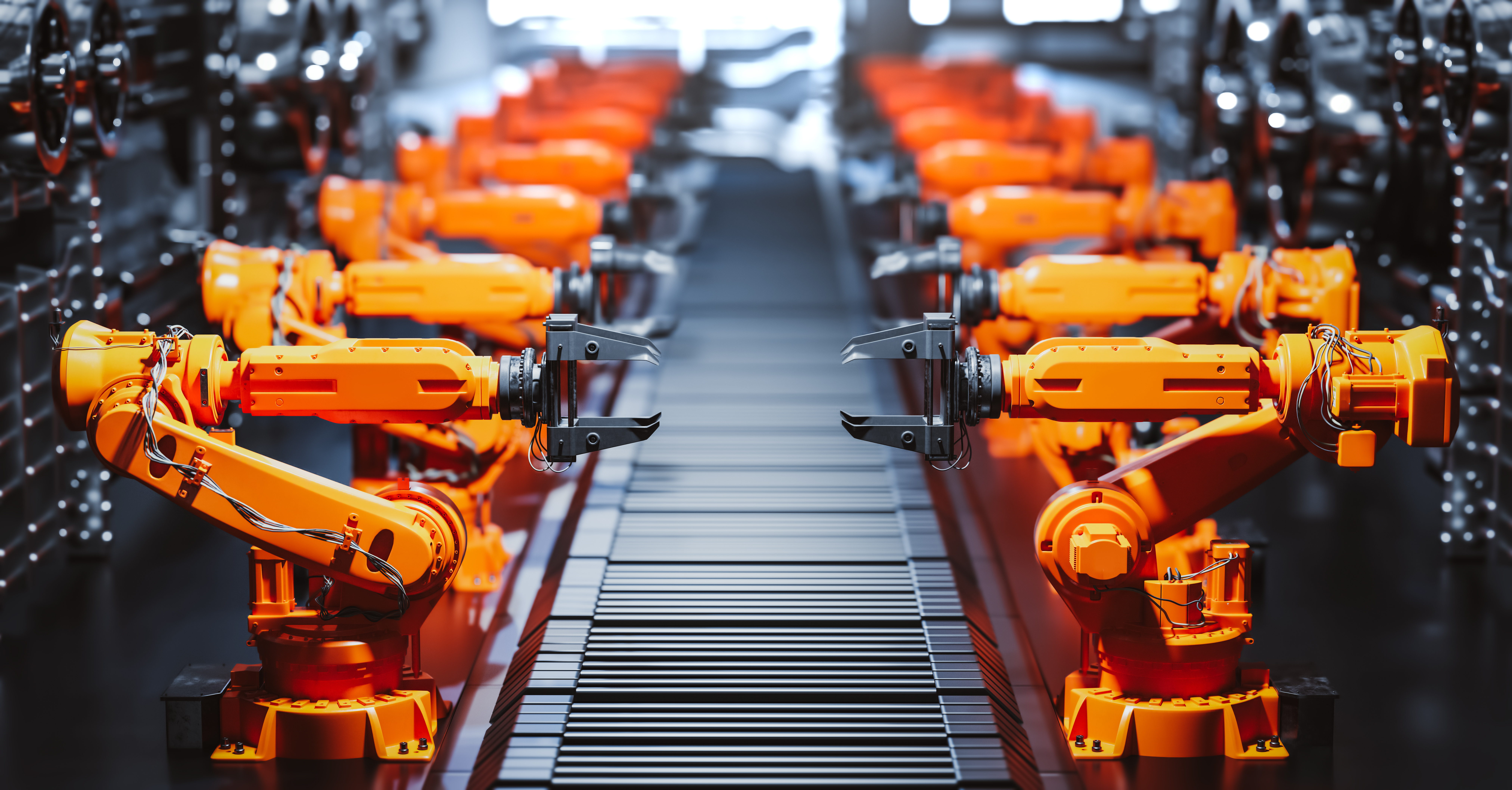
A Momentary Power Blip Can Shut Down an Entire Line
You don’t need a multi-hour blackout to lose a shift’s worth of production. On a modern automated line, a voltage sag that lasts a few cycles can be enough. The PLCs drop out, the robots stop where they are, the drives fault and reset, and the process controls lose their place. What was a half-second blip on the utility feed becomes a line that has to be brought back up by hand, sometimes with scrapped product still sitting in the machines. An industrial UPS system is what sits between that blip and your equipment, holding clean power steady long enough for the disturbance to pass.
The exposure keeps growing as plants add automation. The International Federation of Robotics counted 542,000 industrial robots installed worldwide in 2024, more than double the number from ten years earlier. Grid reliability hasn’t improved to match. The U.S. Energy Information Administration reported that the average American electricity customer went without power for about 11 hours over the course of 2024.
For anyone running a plant or responsible for its uptime, that combination is the whole problem in two numbers. More of what you depend on is sensitive electronics, and the power feeding it isn’t getting any more dependable. A well-specified industrial UPS system is how you keep a few seconds of bad power from costing you the rest of the morning.
Why a Brief Interruption Triggers a Long Recovery

The reason a short event does so much damage is that nothing in an automated facility runs in isolation. The PLCs talk to the drives, the drives move the line, the line feeds the next cell, and instrumentation and safety systems watch all of it. Knock out stable power for a moment and you don’t lose one device, you lose the coordination between all of them.
Once that happens, the line is usually down immediately, and the costs start stacking before anyone has even identified the cause. There’s the lost output, obviously. But there’s also product scrapped mid-process, work in progress that’s now damaged or out of spec, shipments that slip, the labor it takes to restart everything in the right sequence, and the safety exposure that comes with any uncontrolled stop.
This is why backup power for a manufacturing plant shouldn’t start with the question of how to keep everything running through a long outage. It should start with the loads that actually govern production and safety. The goal for most facilities isn’t to ride out a two-hour event at full capacity. It’s to carry the critical controls through a momentary disturbance, or to bring the process down safely and deliberately when it can’t continue.
What an Industrial UPS System Actually Protects
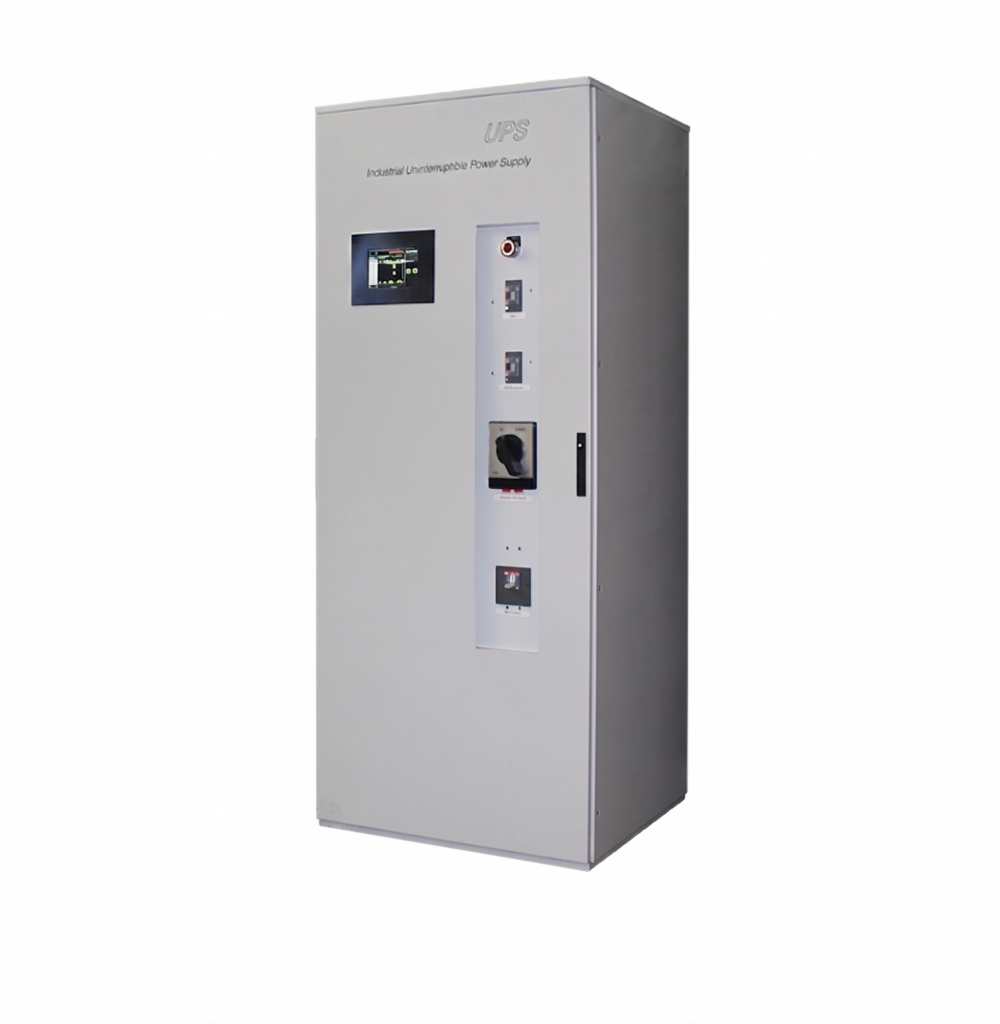
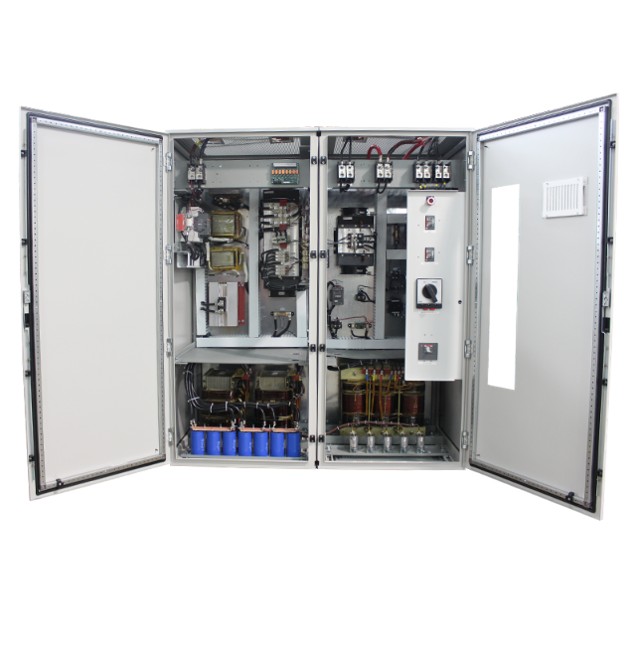
People sometimes assume a backup generator covers this. It doesn’t, at least not by itself. A generator is built for the long outage, and it needs several seconds to start and pick up load. Those few seconds are exactly the window that crashes a PLC or faults a drive. The UPS fills that gap, supplying immediate conditioned power the moment the utility feed becomes unstable or drops out, and it keeps conditioning the power even after the generator is online.
In practice, that protection does a handful of specific jobs:
- Holds stable power on the critical controls when the incoming supply wavers
- Carries automation through the momentary interruptions that would otherwise trip it
- Buffers sensitive electronics from the sags, surges, and noise of poor power quality
- Gives the process enough runtime for a controlled shutdown when production has to stop
- Bridges the gap until the generator or a restored utility feed takes over
None of this works if the UPS is specified like an office unit guarding a few desktops. A plant floor is a harder environment: bigger loads, dirtier power, sometimes unusual voltages, and processes where the cost of getting the sizing wrong is measured in scrapped batches rather than a lost spreadsheet. That changes how the system has to be sized, protected, and serviced.
Where to Prioritize Industrial Backup Power

No two plants weigh downtime the same way, so the right place to start is with your own operation rather than a generic spec. Five questions usually surface the priorities:
- Which control systems have to stay up through a brief disturbance, no exceptions?
- Which processes have to keep running to avoid lost product or damaged equipment?
- Which operations need enough runtime to reach a safe, orderly shutdown?
- Has the floor changed since the existing UPS was sized? New robots, added automation, more equipment?
- Do you actually have a current picture of battery condition, alarms, runtime, and maintenance history?
Work through those and the answer is rarely “back up everything.” It’s more often targeted protection for the process controls, safety systems, robotics, and instrumentation that the rest of the line depends on. Blanket coverage across every load on the floor is usually neither necessary nor affordable.
Battery and Monitoring Strategy Decide Whether the System Works
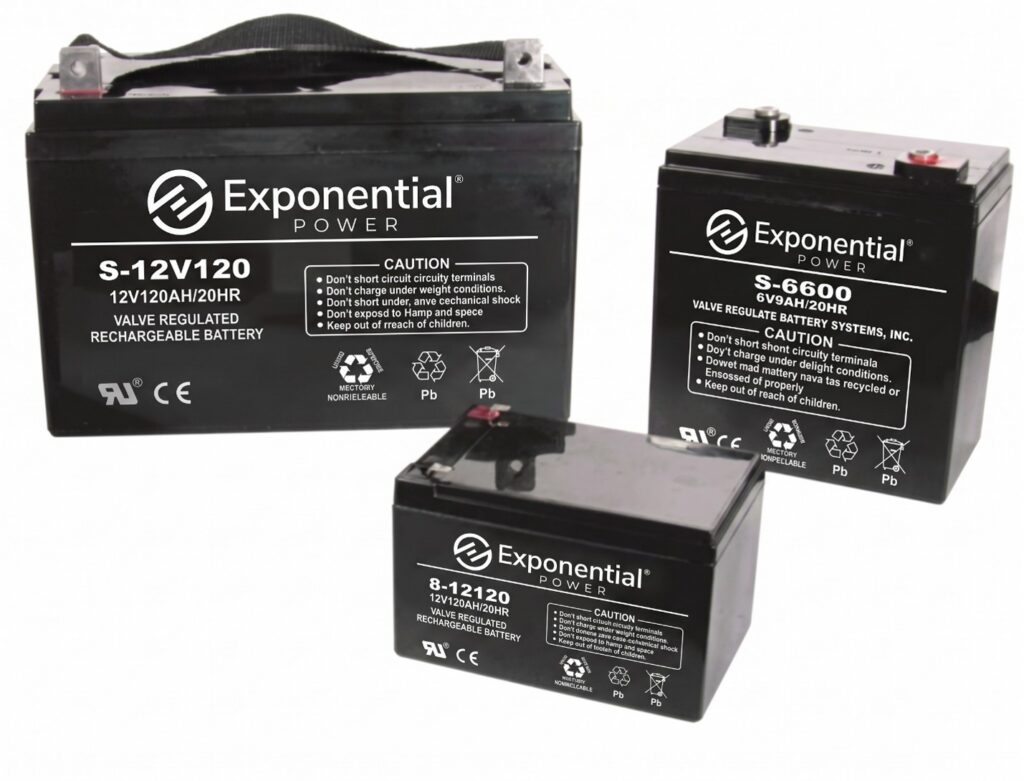 A UPS is only as good as the battery bank behind it and the maintenance it gets. This is where a lot of facilities are quietly exposed. The unit is installed, it works on day one, and then it sits for years while the batteries age, a charger drifts out of spec, or a fault goes unnoticed because nobody’s watching the alarms. Then the disturbance the UPS was bought to handle finally arrives, and the batteries can’t carry the load.
A program that actually holds up has a few non-negotiable parts: batteries tested on a real schedule, preventive maintenance on both the UPS and the charger, monitoring that surfaces condition and alarms before they become failures, and a replacement plan that swaps batteries out before they degrade past the point of usefulness. This matters most at the plants that have grown, because expanded production and added automation change the load without anyone necessarily revisiting the power protection. That maintenance should also be planned across the full life of the system, not treated as a once-a-year checkbox. Annual preventive maintenance helps catch battery, charger, connection, alarm and environmental issues before they turn into failures. Five-year and ten-year PM milestones are equally important because they force a deeper look at the health of the UPS, chargers and the loads the system is now expected to protect. Those larger service intervals are often when facilities discover that the system still powers on, but no longer matches the reliability demands of the operation. A UPS that was correctly sized five years ago can quietly become undersized for the operation it’s now expected to protect.
How to Select the Right UPS for Manufacturing
 Picking a UPS for manufacturing isn’t a matter of reading a kVA number off a chart and ordering it. The right system follows from the actual critical load, the runtime that load needs, the quality of the power coming in, the environment it’ll live in, the battery strategy, the monitoring you need to trust it, and a service plan that keeps it ready over its whole life. Skip any of those and you tend to find out which one mattered at the worst possible moment.
Exponential Power works with industrial facilities on exactly this: engineered backup power, including industrial UPS systems, batteries, chargers, monitoring, testing, preventive maintenance, and replacement planning. Its industrial UPS systems are built for mission-critical work, the kind of control systems, automation, and process equipment that can’t afford an unplanned stop. Real-time monitoring, data logging, alarms, and battery testing give operators a clear read on whether the system is actually ready, rather than assumed to be.
The point of all of it is simple enough: keep reliable power on the industrial controls where a few seconds of bad power can turn into expensive downtime, damaged equipment, or lost production.
Frequently Asked Questions
Do I need a UPS if I already have a backup generator? In most cases, yes. The generator handles the long outage, but it takes seconds to start and accept load, and those seconds are long enough to crash PLCs, drives, and controls. The UPS covers that gap and keeps the power clean once the generator is running.
How is an industrial UPS different from a commercial or office UPS? Industrial units are designed for tougher conditions: higher loads, harsher electrical environments, specialized voltages, and continuous-duty operation. The emphasis is on power conditioning, serviceability, and monitoring, not on giving a few devices a short window to save their work.
How do I size an industrial UPS system? Start with the critical load you need to protect and the runtime it requires, then account for incoming power quality, the operating environment, and any expansion you can see coming. A unit sized before a round of automation upgrades is one of the more common reasons a plant ends up underprotected.
How long do UPS batteries last? It depends on the battery chemistry, operating temperature, how often the system cycles, and how well it’s maintained. The important thing to understand is that batteries fade gradually rather than failing all at once, which is exactly why regular testing and a planned replacement schedule matter. They keep you from discovering a dead bank at the moment you need it.
Don’t Wait for a Disturbance to Expose the Gap
 The more automated a plant gets, the more its output depends on power that stays clean and steady. And the uncomfortable part is that you don’t need a long outage to find the weak spot in your power strategy. A few seconds will do it.
The sensible move is to get ahead of it: identify your critical control loads, check the real condition of the UPS and its batteries, confirm the runtime you actually need, and ask honestly whether the system you have still fits the operation it’s protecting.
That’s the work Exponential Power helps industrial facilities do, evaluating and maintaining backup power built for critical manufacturing. When production hangs on power quality and a system being ready when it’s called on, the right industrial UPS system is what keeps a brief disturbance from turning into a costly one. Reach out to learn how we can help you make the right decision for your business.
_____________________________________