

Meet Sal Accardo: Your New Partner in Mission-Critical Power
Sal Accardo recently joined Exponential Power as Senior Vice President – Data Center. With decades in mission-critical power solutions, he’s helping customers build resilient infrastructure that ensures 24/7 uptime. We sat down with Sal to discuss the trends in reshaping the data center industry and how smart backup power strategies keep facilities powered.
Q: Sal, welcome to Exponential Power. Tell us about your background and what drew you to this role.
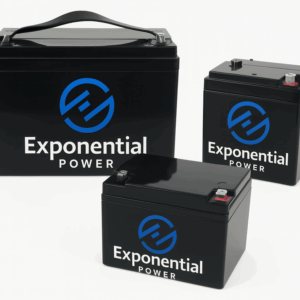 A: Thank you! I’ve spent most of my career in critical power, working with data centers, telecom networks, and industrial facilities where downtime simply isn’t an option. I started on the engineering side, sizing UPS systems and battery backup solutions, then moved into roles that blended design, service delivery, and customer strategy. Data centers fascinate me because they’re the backbone of our digital economy, and the stakes are enormous. When power fails at a data center, it’s not just an inconvenience. It’s a business-critical event that can cost thousands of dollars per minute.
What attracted me to Exponential Power was the company’s comprehensive approach to stored energy. We focus on UPS systems, battery technologies, remote monitoring, and long-term preventative maintenance. The culture here is practical and customer focused. I saw an opportunity to bring that mindset to more data center operators who need a trusted partner for their critical power infrastructure.
Q: What are the biggest trends in reshaping data centers right now?
A: Four major trends are driving change in the industry.
- Rising Power Density. AI and high-performance computing are driving a surge in power density. Racks that used to draw a few kilowatts now pull tens of kilowatts. These workloads can ramp up quickly, stressing both utility feeds and backup power systems. UPS units, battery systems, and power distribution equipment must handle higher densities and rapid load changes.
- Energy & Sustainability. Data centers already use a meaningful share of global electricity, and demand keeps rising. Operators must add capacity while reducing energy waste and carbon footprint. We’re seeing strong interest in high-efficiency UPS platforms and lithium-ion batteries. These batteries tolerate higher ambient temperatures and integrate well with renewables and microgrids. There’s also growing interest in using battery systems for peak shaving or grid support.
- Edge Computing. Companies are pushing compute resources closer to end users to reduce latency. That means managing many smaller sites in tight spaces with limited on-site staff. Backup power solutions for these environments need to be compact, rugged, and easy to monitor remotely.
- Proactive Reliability. Backup power used to be treated as insurance you hoped you’d never need. That mindset has changed. Downtime costs now exceed $9,000 per minute for large facilities, according to the Uptime Institute. Operators are scheduling preventive maintenance and load bank testing. They’re investing in monitoring, analytics, and partnerships with battery and emergency power specialists.
Q: Given those trends, what do data centers need from their backup power systems today?
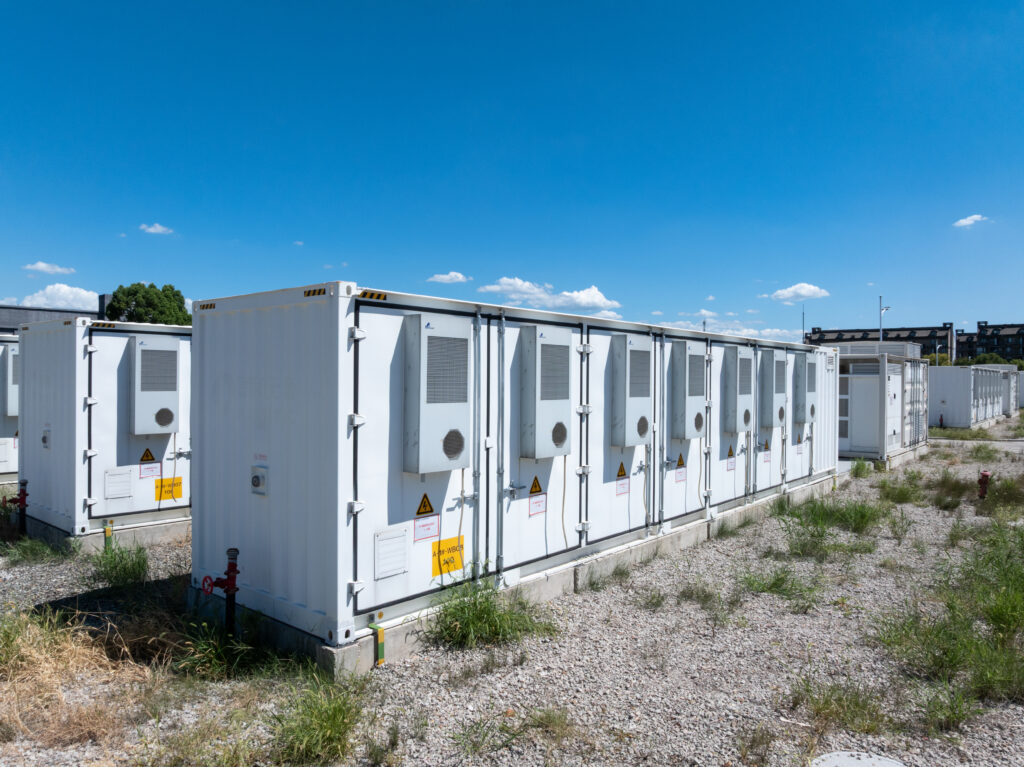
A: They need systems that are robust, intelligent, and scalable. Robust means handling fault conditions and fast load changes without compromising uptime. Intelligent means giving operators real-time data on battery health, UPS loading, and efficiency. It also means spotting potential issues before they become critical. Scalable means capacity can grow with IT infrastructure without a complete system redesign.
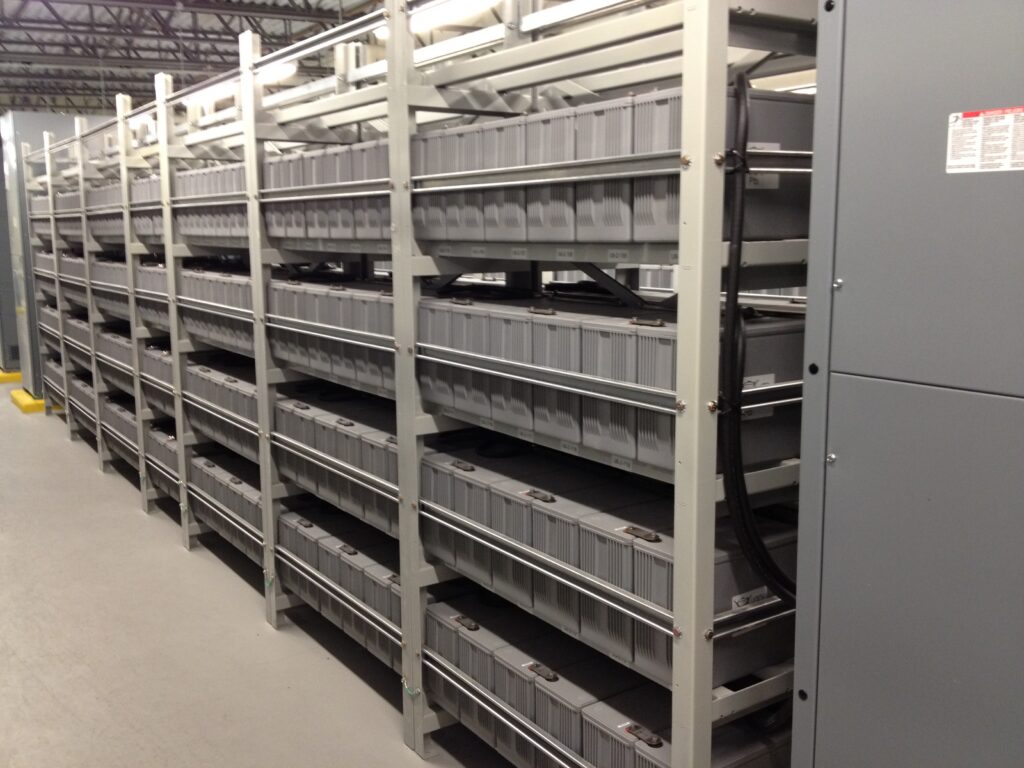
On the technology side, modular UPS architectures are gaining traction. They allow operators to add power capacity as they grow. We’re also seeing more sophisticated decisions around battery technologies. Options include valve-regulated lead-acid (VRLA), Thin Plate Pure Lead, and lithium-ion. The right choice depends on runtime needs, available space, temperature tolerance, and maintenance expectations. Integrated monitoring systems that track every string and cell are becoming standard. They help teams replace weak components before they cause failures.
On the service side, data centers expect comprehensive, end-to-end support. That starts with expert engineering and system sizing upfront. It continues with professional installation, commissioning, and ongoing preventive maintenance. Compliance testing for IEEE and NERC standards is essential, along with 24/7 emergency response. Battery recycling and replacement round out the full lifecycle. A backup power system isn’t a one-time purchase. It’s a critical asset that needs active management from day one.
Q: How is Exponential Power positioned to help data center operators, and what makes you optimistic about our role in this space?
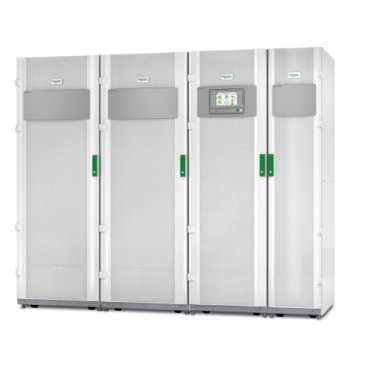 A: Exponential Power is purpose-built around stored energy and mission-critical power. Data centers are right in our sweet spot. Unlike companies tied to a single product line, we work with leading UPS and battery manufacturers. We design tailored solutions around each customer’s specific needs. Whether it’s a large enterprise data hall or a nationwide network of edge sites, we deliver. That includes UPS systems, battery backup, power distribution, and monitoring technology.
Our real differentiator is combining best-in-class products with experienced people. Our engineers review power infrastructure and help optimize redundancy, runtime, and efficiency. Field technicians nationwide handle installation, preventive maintenance, and emergency repairs. Advanced battery testing and monitoring tools give our team and customers full visibility. That means complete insight into system health and performance.
For data center managers, this means one reliable partner for the full lifecycle. We design your backup power system, install it correctly, and monitor it continuously. We will upgrade it as your needs evolve. This applies whether you’re planning for higher rack densities to support AI workloads. It also covers new computing clusters, edge site deployments, and corporate sustainability goals.
What makes me optimistic is the pace of innovation in this space. Power infrastructure decisions around AI, edge computing, and energy efficiency are happening right now. They’re being made in design meetings and boardrooms across the industry. Exponential Power has the technical expertise and comprehensive product portfolio to help. Our service-oriented culture makes us a true partner for operators who want to stay ahead. We help maintain resilient power infrastructure no matter what happens outside the facility walls.
Want to learn more? Find out more in the data center section of our website. Or, better yet, reach out for a consultation.