
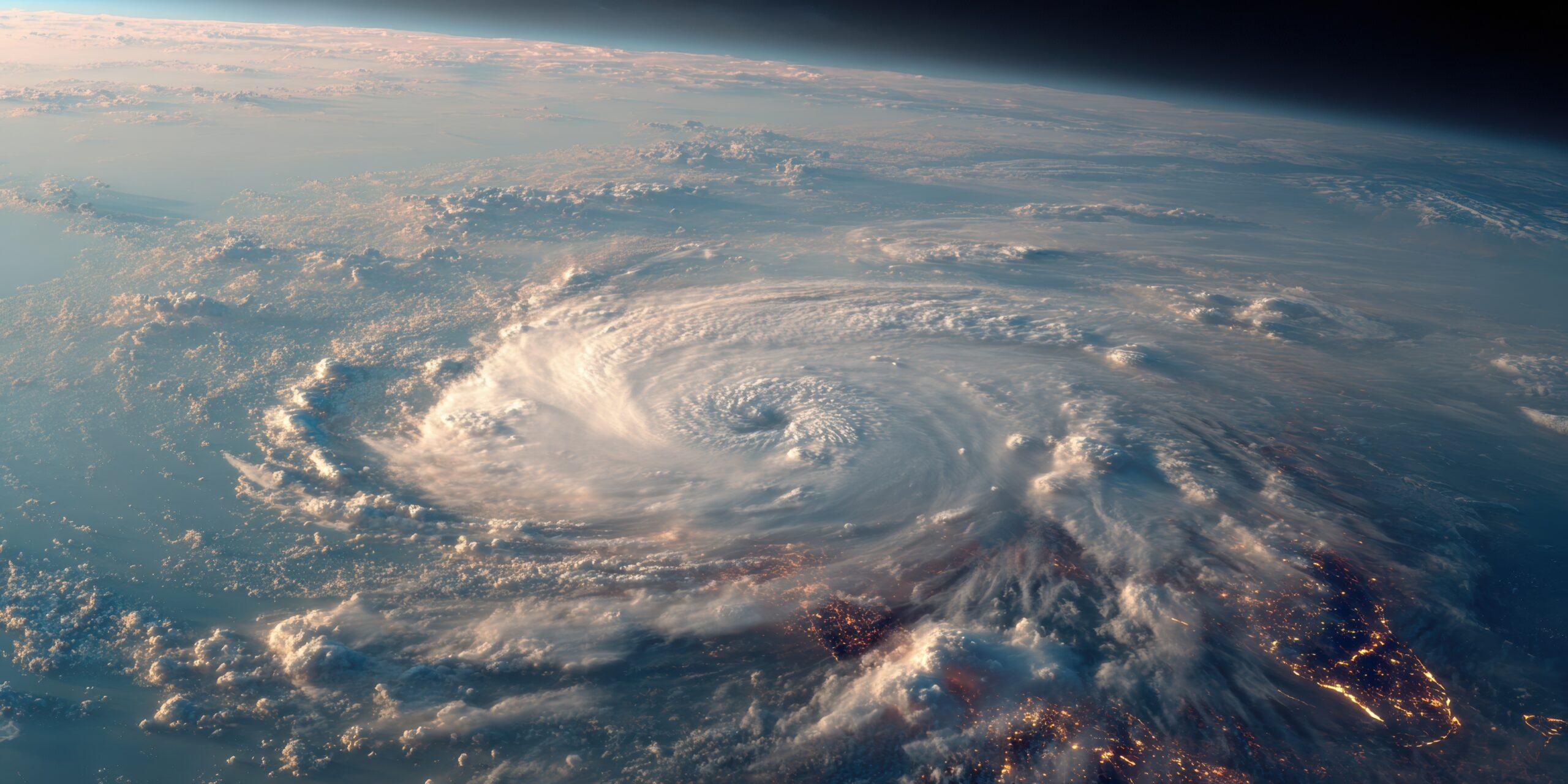
 Hurricane season exposes the gap between having backup power equipment and being truly ready to use it. For companies along the Gulf Coast, and for any organization with sites in hurricane-prone regions, the real question is simple: if utility power drops, roads flood, fuel becomes scarce, and technicians cannot move freely for 24 to 72 hours, what still works?
A reliable hurricane preparedness plan starts before a named storm enters the forecast. It includes emergency contacts, employee safety procedures, evacuation plans, and customer communication. It also needs a practical power continuity plan covering UPS systems, standby batteries, generators, chargers, fuel, critical loads, spare parts, service access, and recovery support.
Start with the systems that keep the business alive
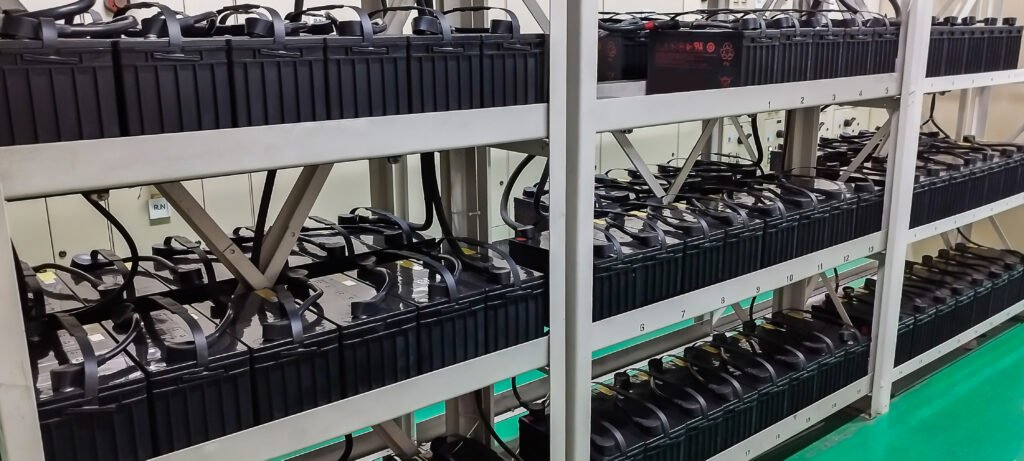
Every company should know which systems must stay online during an outage. For a data center, that may mean UPS systems, battery strings, switchgear, cooling controls, network gear, and monitoring systems. In the telecom industry, it may mean tower sites, central offices, battery cabinets, rectifiers, and remote power systems. And for industrial operations, it may mean controls, safety systems, communications, pumps, security, or production equipment.
Once those loads are identified, check whether the backup power system is sized, maintained, tested, and ready for the job it may need to perform.
- Do your batteries still have the runtime you think they have?
- Has the UPS been inspected under load?
- Are transfer switches operating correctly?
- Are battery terminals, racks, cabinets, chargers, ventilation, and monitoring systems in good condition?
- Are spare parts available?
- Do you know which vendor to call first, and do they already understand your site?
Do the maintenance before the forecast gets serious
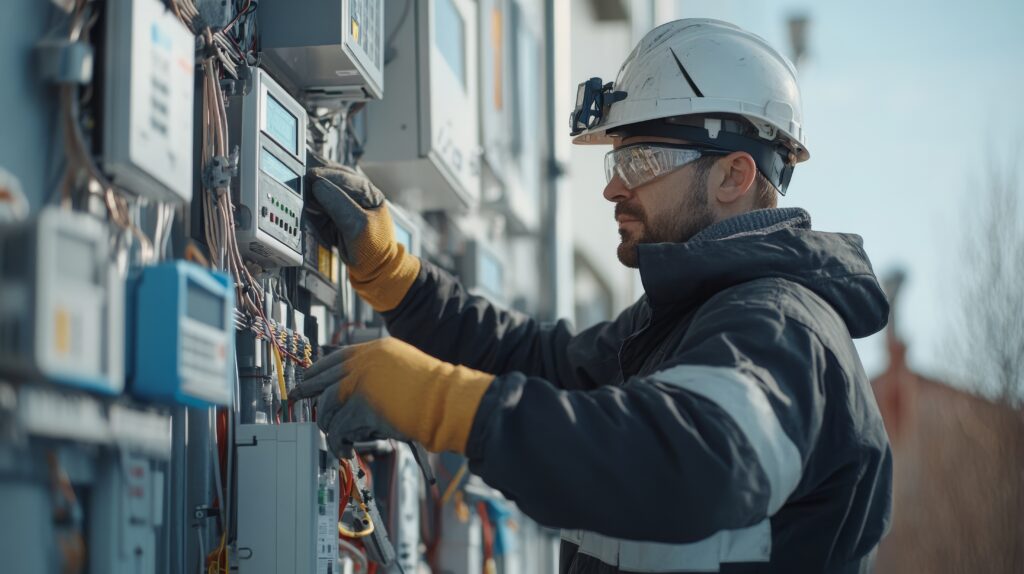
The days before landfall are the wrong time to discover a weak battery string, failed charger, dead monitoring system, bad cabling, or generator issue. Stores run low. Fuel availability tightens. Roads back up. Service calendars fill fast. Access to coastal sites can become complicated or impossible.
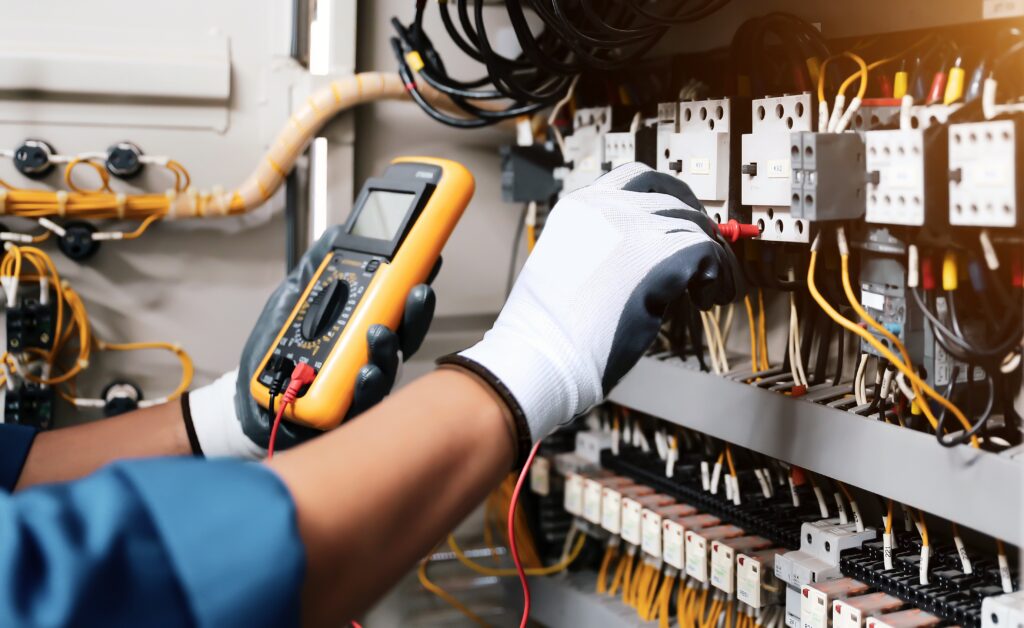
That is why hurricane season preparation should include preventive maintenance on batteries, UPS equipment, chargers, rectifiers, generators, switchgear, and related power infrastructure. It should also include service records, site access rules, safety requirements, and emergency contact paths.
The same principle applies to service fleets and temporary power resources. At Exponential Power, storm readiness starts internally with our field teams. Our Gulf Coast and Texas UPS teams are often first responders after severe weather because they can assess damage, stabilize systems, and determine what needs to happen next. Capacity and installation teams then support replacement, installation, testing, and recovery work as conditions allow. When customers need temporary support during planned or unplanned outages, Exponential Power can also provide portable DC power rental equipment, including short- and long-term options for critical infrastructure applications such as data centers, UPS systems, telecom sites, electrical switchgear, utility substations, gas turbines, and forklift battery and charger needs. Our rental systems are tested and certified before delivery, and many can be deployed within hours when conditions and access allow.
For our team, that readiness starts with maintained trucks, stocked tools, calibrated test equipment, charged phones, PPE, go bags, fuel planning, re-entry coordination, and clear communication between technicians, managers, and customers. A team cannot help customers recover if its own people and equipment are not ready.
Build a practical power outage plan
A business power outage plan does not need to be complicated, but it does need to be specific. Companies should document which systems receive backup power, how long each system must run, who can shut down nonessential loads, and what conditions trigger emergency service.
The plan should include critical equipment and battery assets, recent maintenance records, runtime expectations, generator fuel strategy, site access instructions, emergency vendor contacts, safety procedures for flooded or damaged equipment, and communication steps if phones, email, or internet service fail.
This should be reviewed before peak hurricane activity, not during it.
Safety matters as much as uptime
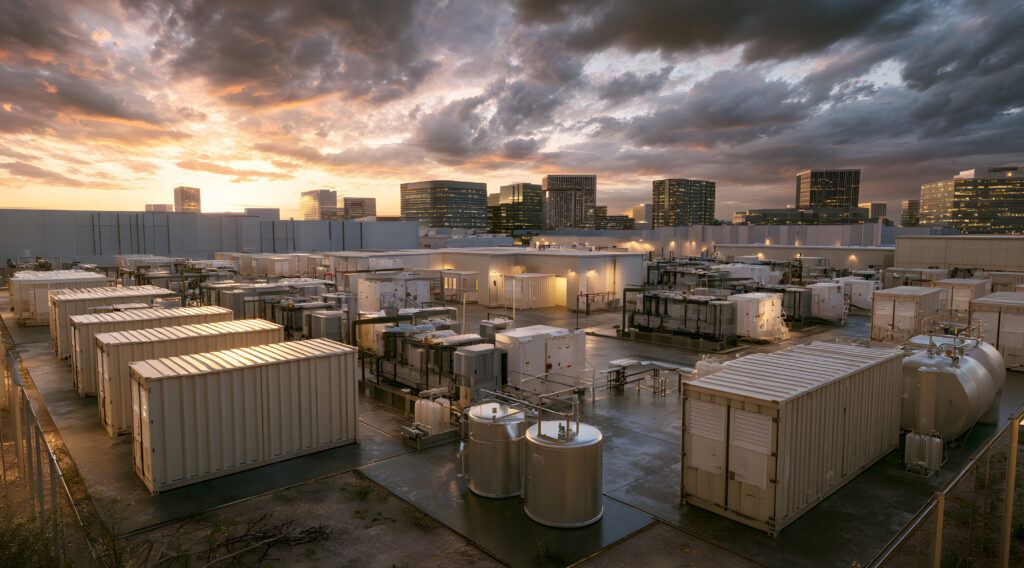
After a storm, the pressure to get back online can be intense. That is also when mistakes happen. Flooded electrical rooms, damaged battery systems, compromised cabinets, wet switchgear, and improperly placed portable generators can create serious hazards.
No one should enter a damaged power room, energize equipment, move batteries, or restart backup systems without assessment. Generators must be operated safely with proper ventilation and never placed where exhaust can create a carbon monoxide hazard. Electrical systems exposed to water should be inspected before use.
Fast recovery is important. Safe recovery is non-negotiable.
Where Exponential Power can help
 Exponential Power supports backup, emergency, and standby power systems across the United States, including customers in hurricane-prone Gulf Coast markets. Our work spans batteries, UPS systems, chargers, telecom power, industrial power, data center power, testing, maintenance, emergency repair, rentals, installation, recycling, and compliance support.
When severe weather hits, our job is to help customers understand what happened, what is still working, what needs immediate repair, and what needs to be replaced or tested before the site can safely return to normal operation.
The best time to make that plan is before the storm is named.
Hurricane Season Power Preparedness FAQ
How should a business prepare its backup power system for hurricane season?
Start with preventive maintenance, battery testing, UPS inspection, charger checks, generator readiness, updated service records, fuel planning, and a clear emergency contact list. Confirm what systems are critical and how long each must stay powered.
When should backup batteries be tested before hurricane season?
Ideally before hurricane season begins, then again based on site risk, age, application, and maintenance history. Batteries can appear fine until they are asked to carry load.
What causes backup power failures during hurricanes?
Common causes include neglected batteries, insufficient runtime, generator fuel problems, failed transfer equipment, flooded electrical rooms, damaged cabling, lack of spare parts, and unclear emergency response procedures.
What should companies do after a power outage or storm surge?
Do not restart damaged or flooded systems without inspection. Document damage, protect employees, contact your emergency power service provider, and have batteries, UPS systems, chargers, cabinets, racks, and electrical components assessed before returning to normal operation.
Should businesses set up hurricane readiness contracts before storm season?
Yes. Larger organizations often prepare before hurricane season by activating vendor agreements, confirming emergency contacts, and pre-positioning rental equipment before a storm is in the forecast. These hurricane readiness contracts or pre-positioning agreements can help ensure critical backup power resources, such as portable DC power rental equipment, batteries, chargers, UPS support, and service response, are already planned before demand spikes. For facilities where downtime is not an option, the best time to talk with your power vendor is in April or May, not when a named storm is already moving toward the coast.
Contact Exponential Power to help you prepare for hurricane season.