
A New Voice on Mission-Critical Power
Kristin Anderson has joined Exponential Power as Vice President of our Data Center division. She arrives at a moment when the data center industry is being reshaped by a single, stubborn reality: limited power availability is now a leading bottleneck in data‑center site selection and facility buildout.
What makes Kristin’s perspective different is the problems she has been solving. Many data center leaders focus on what happens to power once it reaches the building. Kristin has spent much of her career working on the systems that bring power to data centers and managing the risks when those systems fail.
Her recent work has included grid management software for utilities (ADMS, OMS, DERMS, and network model management), a 4,000 MW high-voltage direct current (HVDC) transmission concept development study in the upper Midwest, and a global strategy for liquid cooling in HPC, AI, and colocation environments. She is a mechanical engineer by training, with three decades of experience moving between energy, advanced cooling technologies, and mission-critical infrastructure.
That upstream-to-rack point of view is exactly what data center operators need in 2026.
The Trends That Brought Her Here
In her first weeks at Exponential Power, Kristin spoke with us about the real forces reshaping the data‑center landscape and the growing importance of a resilient backup‑power strategy.
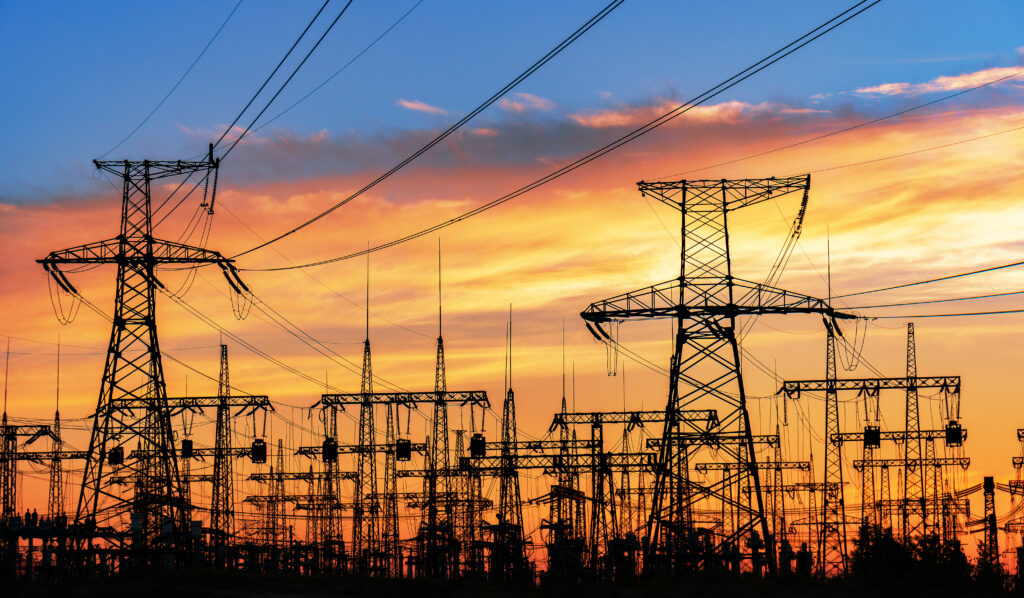
The grid bottleneck is now a growth bottleneck. Data center electricity demand is on a path that makes the grid itself the limiting factor in where, when, and whether new data center facilities get built. In the US alone, the Department of Energy projects data center electricity consumption could nearly triple by 2028, reaching 7 to 12 percent of all US electricity, up from about 4 percent in 2023. In high‑demand regions such as Northern Virginia and the Bay Area, interconnection queues have grown so long that new facilities will need to wait years for grid access. As a result, development is shifting fast: Texas is projected to overtake Northern Virginia as the world’s largest data center market by 2030, according to JLL, with 6.5 gigawatts of capacity already under construction.
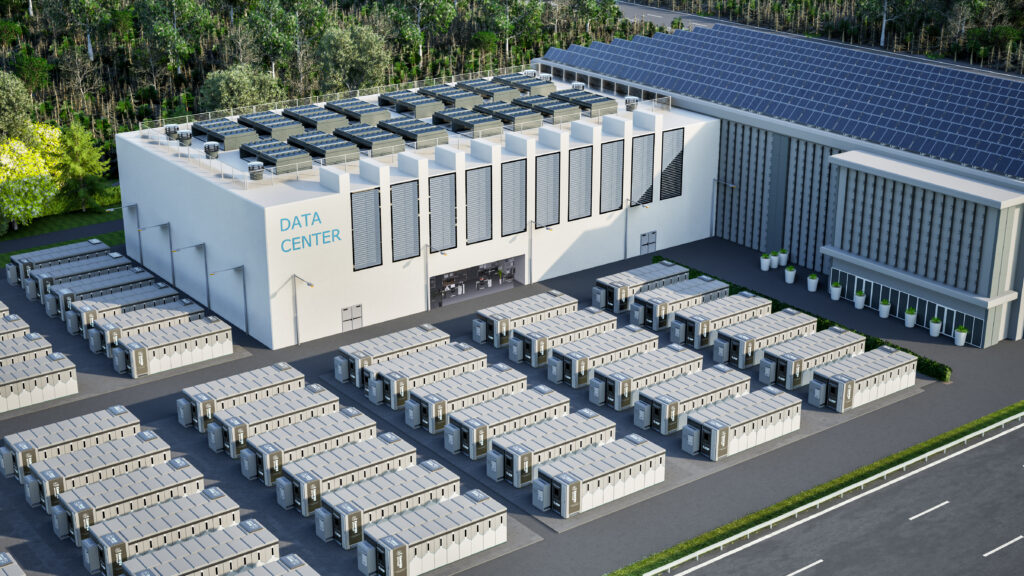
Onsite power is moving from backup to baseline. Data centers are now siting generation assets behind the meter. Battery energy storage systems (BESS) are no longer a redundant layer that sits quietly 99+ percent of the year. “BESS is becoming a strategic asset, not just an insurance policy,” Kristin notes. “When you design it right, the same system that protects you during an outage helps you control demand charges, support sustainability targets, and respond to grid signals nearly instantaneously.”
Regulators are rewriting the contract. Texas Senate Bill 6 includes a “kill switch” provision that gives grid operators the authority to drop large loads during emergencies and requires new data centers to have onsite backup generation capable of meeting 50 percent of their load. Other states are following with large-load tariffs and minimum-load guarantees. Data centers are no longer simply consumers of grid power. Those connected to the utility are now stakeholders in grid stability, with obligations attached. That means backup power systems need to do more than carry the IT load through an outage. They need to allow operators to ride through planned and unplanned outages, support load flexibility, and document performance for regulatory review.
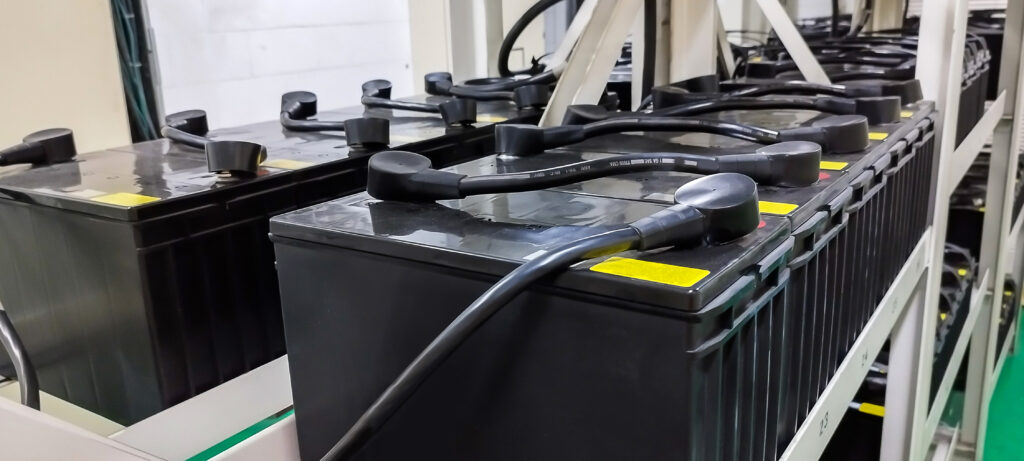
Electricity interruptions are getting increasingly expensive. The Uptime Institute reports the proportion of outages costing over $100,000 has soared in recent years. Over 60% of failures result in at least $100,000 in total losses, up substantially from 39% in 2019. As rack densities climb, the financial cost of any backup power failure grows exponentially. Battery technology choices, UPS sizing, and lifecycle services all become higher-stake decisions when a single minute of downtime can be catastrophic.
Why Exponential Power, and What Comes Next
“Exponential Power has something that’s rare in this market,” Kristin says. “It combines deep technical expertise across UPS, battery technologies, and BESS with a service organization that is in the field, every day, across the US. That is the right foundation for what data center customers need now, a partner who can design, install, commission, monitor, and maintain battery backup power as a continuous discipline.
Key Priorities
Her priorities for the division come down to five drivers:
- Full life cycle battery partner. Backup power doesn’t end at install. Kristin wants the division engaged with customers from initial design through commissioning, ongoing maintenance, performance monitoring, eventual replacement, and responsible recycling. Customers should have one partner across every stage of the system’s life to ensure effective and efficient service activities
- Deep engineering expertise. Sizing UPS systems, selecting the right battery chemistry, and integrating backup power with the rest of a data center’s infrastructure takes engineers who specialize in this work, not generalists. That engineering depth is what makes everything else the division promises possible.
- High-touch service and support. When a battery string fails or an alarm trips at 2 a.m., what matters is how fast a qualified technician is on site. Kristin’s focus is on ensuring that responsiveness continues throughout the service Agreement.
- Proven reliability and mission-critical performance. Data center operators can’t afford to be a vendor’s trial. The systems and battery technologies the team specifies have a track record under real load, in real conditions, over real time.
- Total cost of ownership. Customers need a partner who can help them understand the total cost of ownership of backup power costs upfront, so they can make informed decisions and protect their investment. This partnership continues with grounded proven experience.
Welcome to the team, Kristin. The industry needs the perspective you bring.
Want to talk about your data center’s backup power strategy? Reach out for a consultation. Learn more about Exponential Power’s data center power solutions.